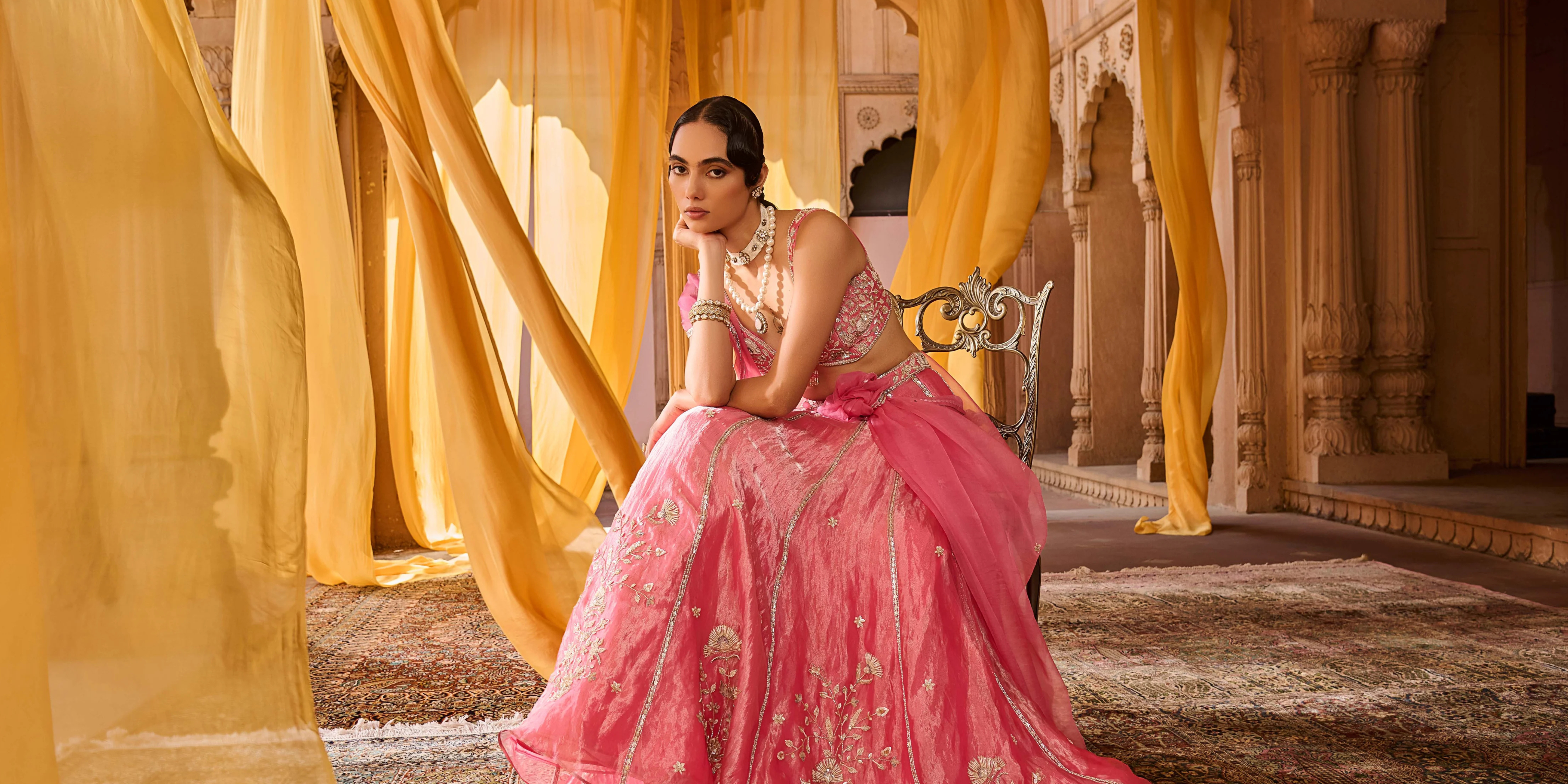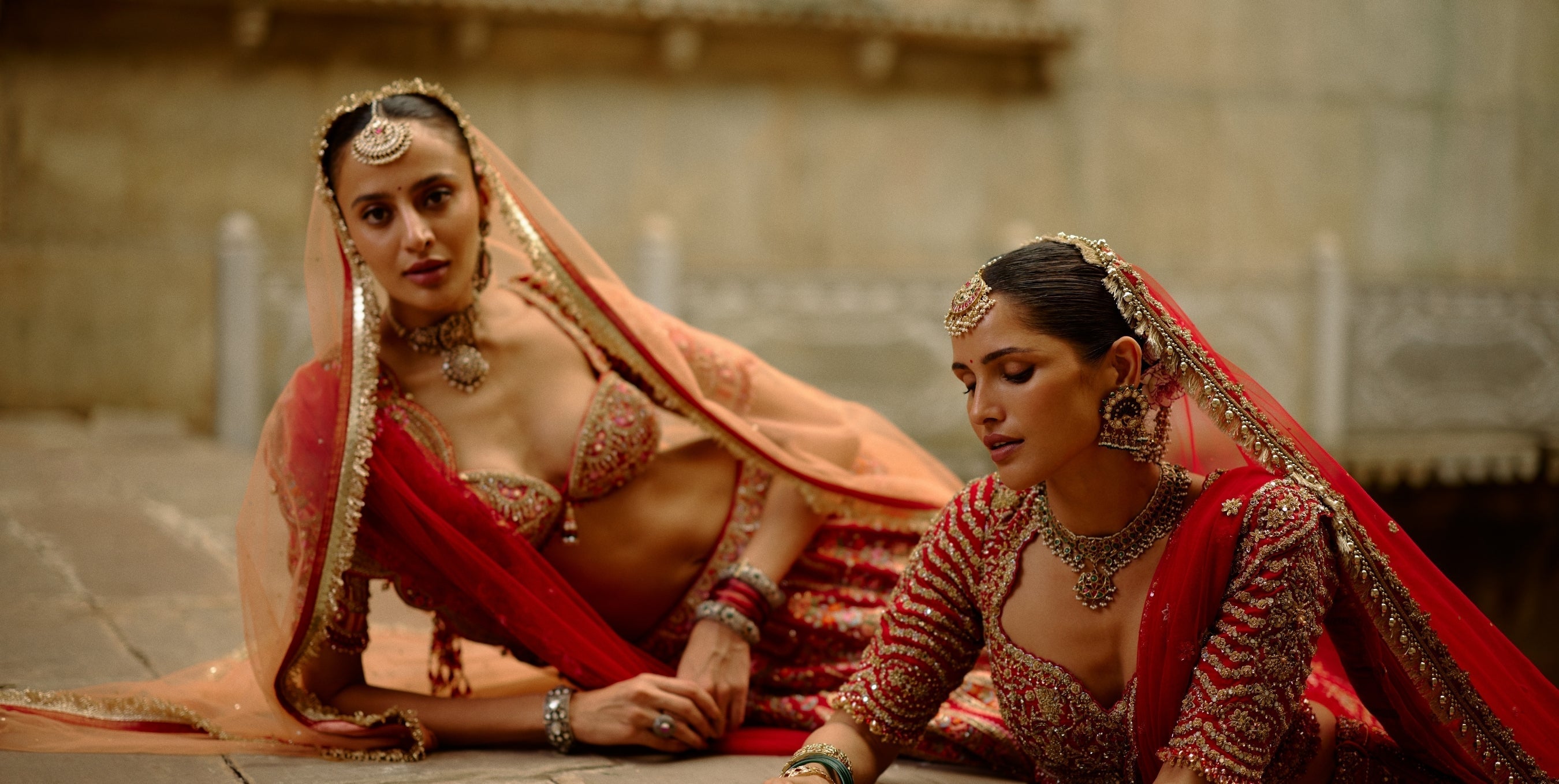
International Luxury Brands are Crazed by India, they simply do not want to give the credit.
You will see it everywhere, as you enter any luxury boutique in Paris, Milan, or New York, in the elaborate embroidery that had taken a generation of Indian artisans to achieve perfection, in the traditional block prints, reinterpreted on a silk scarf, in the mirror work, which was the province of the rural Rajasthan being stitched on a $2,000 handbag. It has taken decades to realize that the international luxury brands have been borrowing from India, but there is an elephant in the room that no one would want to discuss: they hardly, or hardly, take credit away where it goes.
The Fashion of the Takeover.
It has now become very predictable. A bigger fashion now produces a collection with unmistakably Indian details a few times a year: paisley prints, bandhani tie-dye, chikankari embroidery or jewelry suggestive of the temple. The shows are sold, the pieces are being sold out, the creative director of the brand is proclaimed as a visionary. In the meantime, there are the Indian artisans who have been doing these crafts their entire lives, whose hands are familiar with these techniques, though not seen.
It is not a question of being inspired. The history of fashion has never been without cross-cultural exchange. The issue is the appropriation, how these brands are draining the aesthetic worth of Indian craftsmanship and taking away its cultural background, its history, and, above all, its designers.
When Audaciousness Turns into Parody.
To be perfectly clear about this, we are not looking at homage, but at appropriation. When a luxury brand takes the Indian traditional technique use of textiles without credit and sells it at a high price and does not even bother to engage or pay to the groups who have invented these crafts, that is not creative inspiration. Cultural stealing in designer wrappings.
Consider the economics. A luxury brand may sell a garment with Indian craftsmanship at thousands of dollars, yet the craftsmen who are capable of producing an identical item, with a higher level of authenticity and skill, have a hard time getting into the international markets. The discontinuity is glaring, and it is addressed to a greater system that puts more emphasis on Western branding than Eastern art.
The Credit That Long Is Due.
Indian design is not one of those trends to be borrowed when the opportune moment comes and disposed of when the next season comes. It is thousands of years of art tradition, local variety, and unbelievable mastery that were transmitted through generations. The batik of Gujarat to the Kanjeevaram silk of Tamil Nadu, the ikat weaving of Odisha to the zardozi embroidery of Lucknow, the stories and cultural meaning and work of thousands of artisans are all tied to each technique.
They are not a simple choice of taste. They are living cultures, complementing whole communities, conserving culture, and some of the best craftsmanship around the globe. They should be praised, honored and credited.
A Better Way Forward
That is the reason why such platforms as Selectives are available. In our opinion, when international consumers love Indian design (which they obviously do) they were supposed to be purchasing it straight off the creators and craftsmen of India that make it. Not watered-down,culturally-diluted versions sold by brands who take advantage of India being creative and keep Indian creators at bay.
By buying the clothes or accessories of Indian designers in Selectives, you are not only buying a piece of clothes.
You're supporting:
- The artisans are the actual masters of these traditional practices.
- Designers that are aware of the cultural context and meaning of their work.
- Communities that rely on the crafts as a source of livelihood.
- The saving of the methods that would be otherwise lost.
A more fair fashion system where credit and payment is paid to the correct individuals.
The Strength of Informed Decisions.
Each purchase is a decision concerning the type of fashion industry we would prefer to patronize. Is it desirable to have one where Western brands draw inspiration by the Global South and retain the spoils? Or would we rather have one where artists are given praise and paid as well as they should be with the global consumer right in front of them?
The fashion world in the international market has made it obvious that they are fond of the Indian design. They incorporate it in their collections, they even base whole campaigns on it, and they make a fortune out of it. What they have been hesitant to do is to share the limelight, give credit where credit is due, or provide avenues upon which Indian designers and artisans can pursue the same international markets in their own self-interest.
It is Time to Change the Narrative.
International luxury brands do not have to prove the craftsmanship of India. It does not have to be discovered or reimagined by the Western creative directors. It only requires visibility, accessibility to the market, and customers that will recognize the importance of purchasing directly at the source.
The evidence is everywhere if you know where to look.
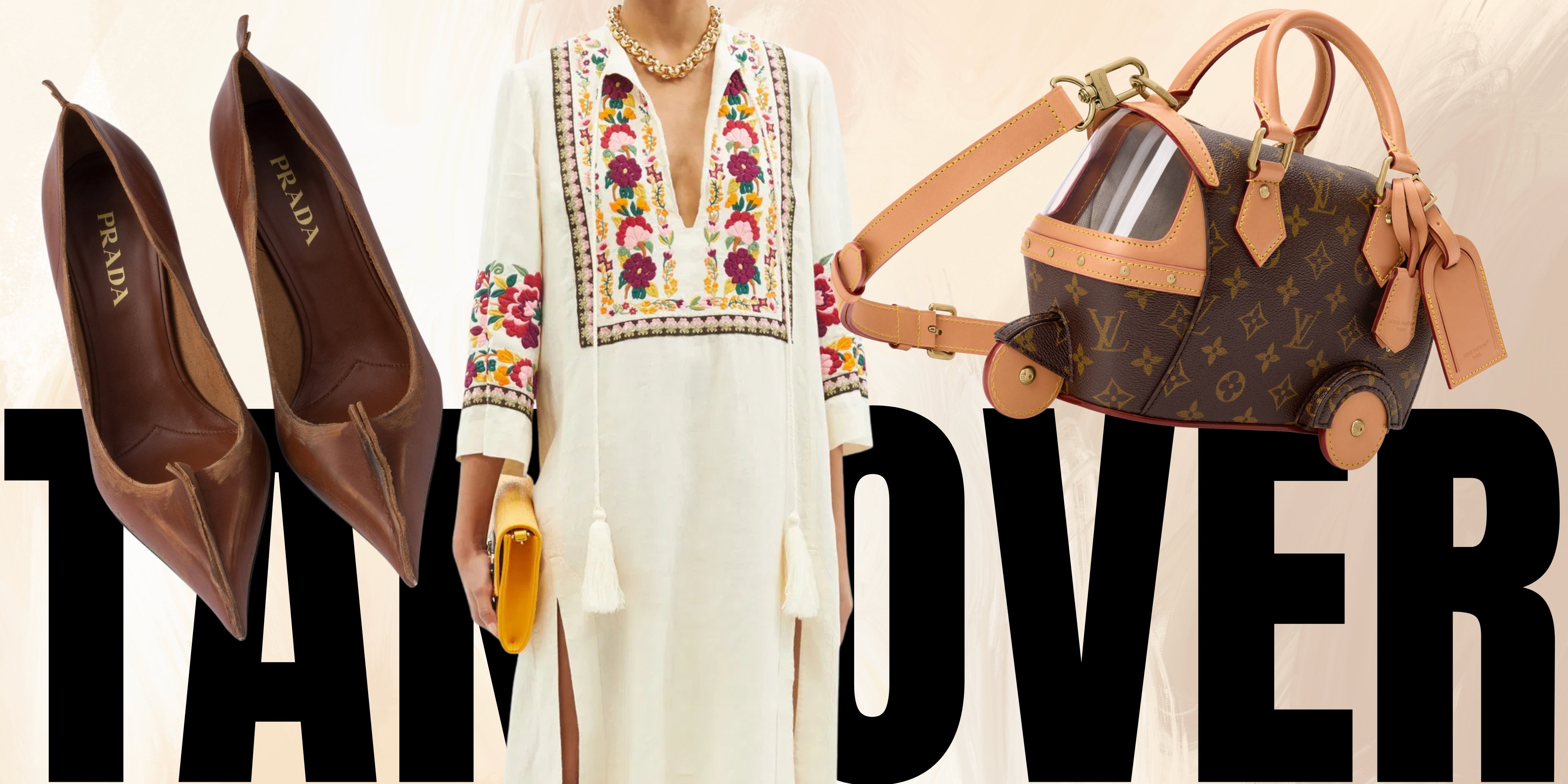
The auto-rickshaw bag by Louis Vuitton transformed the symbolic image of Indian streets into a symbol of prestige without considering the Indian culture. Prada found the Kolhapuri chappal, handmade feet sandals that are made of leather by craftsmen in Maharashtra and had been mastering the technique throughout centuries, and introduced it as an innovative high fashion. Dior presented a jacket, which had bold resemblances with the conventional mukesh embroidery style of doing crafts as metallic threadworks which are practiced by talented Indian craftsmen. Isabel Marant was criticized because of designs that were like traditional Mexico embroidery though it is still similar in terms of appropriation in Indian textiles. The application of paisley patterns by Etro which was derived initially out of Indian textile traditions is rarely accompanied by an mention of the fact that they have a subcontinental background. Not even accessories have been left out, scarfs with classic Indian block prints and bandhani designs are seen in the high-end collections of many fashion designers all over the world, and the artisan communities who still practice the methods find it difficult to advance. The fact that Dolce and Gabbana employed the art of Kashmiri walnut wood carving in their designs generated doubt in issues concerning cultural appreciation and exploitation. In Gucci to Prada, on runways of haute couture down to a luxury high-end retail outlet, the Indian craftsmanship, be it the chikankari embroidery, mirror work or the more traditional weaving styles, turns up, in one form or other, repackaged as Western innovation and no-one sees the Indian designers or artisans who dominate the crafts.
We are making that bridge at Selectives.
Our vision is to establish a platform where global consumers will learn about and shop the works of skilled Indian designers, at which the entire richness and context of Indian design is glorified, and whose creators are given the value and the respect that they rightfully deserve.
The next time you bear witness to india inspired items in a high-end store, pose a question to yourself: would you not be better off purchasing the authentic item, right in the designers and artisans that are more in touch with and bring forth these traditions? and not in those corporations which borrowed them without credit?
Find the true Indian design in Selectives. We match international shoppers with some of the most brilliant designers in India and in this way, once you fall in love with India craftsmanship, you will be contributing directly to the work of the artisans and creators who can make it so. Since the Indian design does not require the approval of the West. It only requires the platform that it deserves.
- Rachell